E-mail: John@xhgraphite.com
WhatsApp: +86-18663987730
E-mail: John@xhgraphite.com
WhatsApp: +86-18663987730

News
Choosing a natural flake graphite grade for a brake pad compound comes down to four lines on the data sheet: fixed carbon, particle size distribution, ash and moisture. None of them decides anything on its own. Read together and read against the friction pair already running in the press, they tell you whether a grade is worth a trial batch.
This note sets out what each field controls, where buyers over-read it, and how to compare two grades before committing to a production lot.
In a non-asbestos organic or semi-metallic mix, graphite acts as the solid lubricant. Three functions matter in practice, and a data sheet shows none of them.
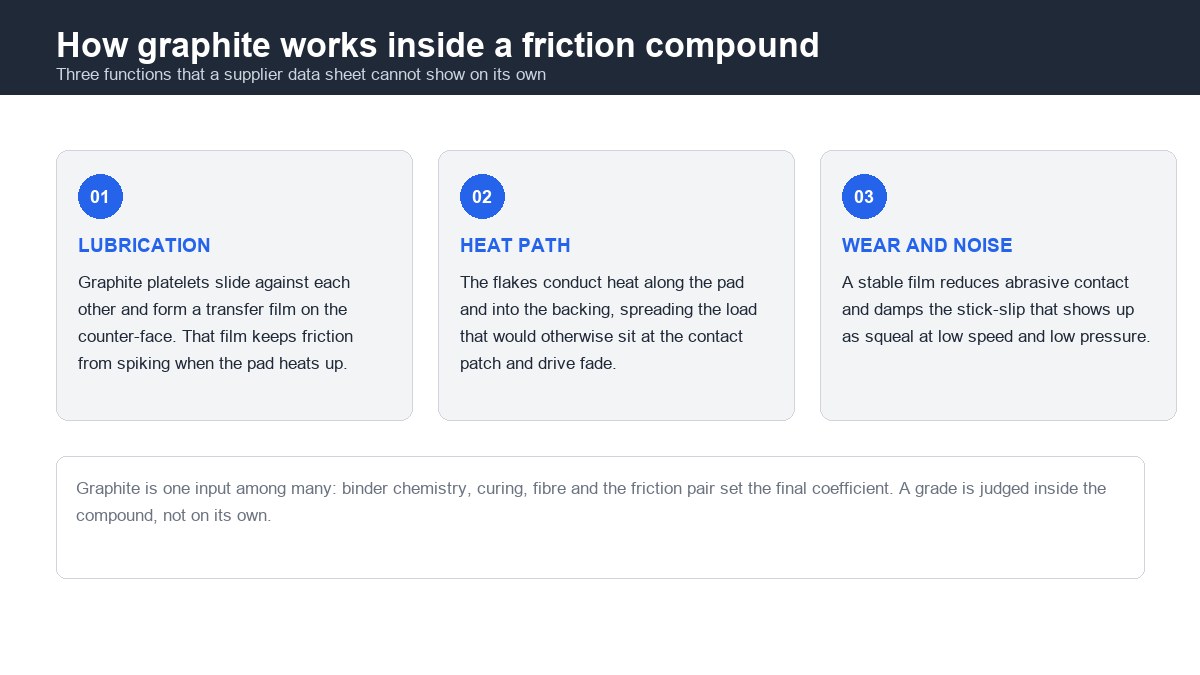
Figure 1. Three functions that a specification line cannot describe.
Lubrication. Platelets shear against each other and build a transfer film on the counter-face. That film is what keeps the coefficient from climbing when the pad heats up, and it is the first thing that degrades when a graphite grade changes.
Heat path. Flake conducts heat along the pad and into the backing. A grade that disperses badly leaves hot spots at the contact patch, and hot spots are where fade starts.
Wear and noise. A steady film limits abrasive contact with the disc and damps the stick-slip that shows up as low-speed squeal.
All three depend on the rest of the mix as much as on the graphite. Binder chemistry, curing profile, fibre and the friction pair set the final coefficient. A grade is judged inside the compound, not on its own.
Most purchase arguments start and end with fixed carbon. In a friction application that is the wrong single number. The table below maps each field to what it actually controls.
| Data sheet field | What it controls | What to ask the supplier for |
|---|---|---|
| Fixed carbon | Lubricity baseline and how much non-lubricating residue rides along | Typical value, minimum per lot, and the test method used |
| Particle size | Dispersion in the mixer, film formation, packing density | A curve, not one mesh number: D10, D50, D90 or a full sieve band |
| Ash | Inert residue that adds wear without lubricating | Typical and maximum, stated on the same basis as fixed carbon |
| Moisture | Weighing accuracy, pre-cure behaviour, storage ageing | Maximum percentage and the drying method behind it |
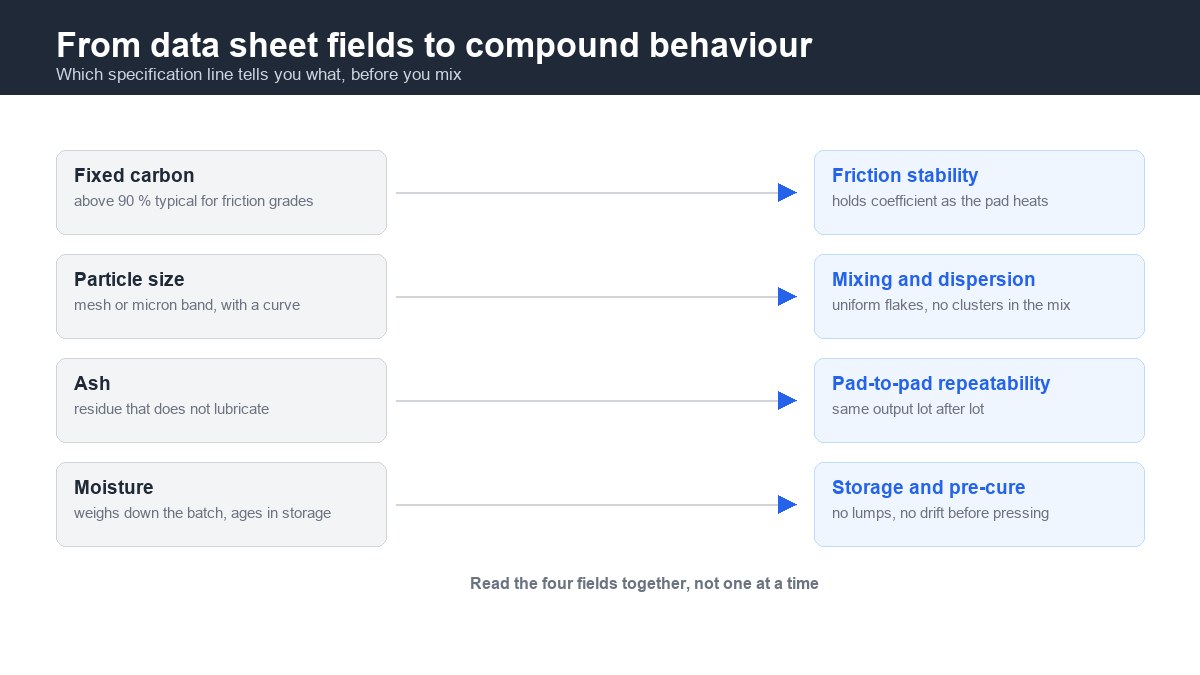
Figure 2. Each field reaches the press through a different route.
Friction grades usually sit in a narrow band, and above a certain point extra carbon buys very little in the compound while the price keeps moving. What the number really buys you is predictability: a stable fixed carbon means a stable ash load, which means the batch weighs out the same way twice.
So the question is not how high the carbon is, but how tight the range is lot to lot. A grade quoted at a lower figure with a narrow band is often the better purchase than a higher headline number with a wide one. Our own note on fixed carbon covers the trade-off in more detail.
A single mesh figure is a marketing convenience. Two grades sold as the same mesh can behave completely differently if one carries a long fine tail and the other is cut sharp. In the mixer, the fine fraction drives dispersion and film formation; the coarse fraction carries heat and load. A typical 50 mesh grade is a starting point, not a specification.
Ask for the distribution, then ask what the grade does to mixing time and green strength in your own process. That answer comes from a trial batch, not from a certificate.
Ash is what is left when the carbon burns off. It does not lubricate, it does not conduct heat the way flake does, and at the pad surface it adds wear. A supplier that quotes fixed carbon without ash, or quotes the two on different bases, is telling you half the story.
Moisture is the field buyers look at last and get bitten by first. A point of moisture shifts the weighed batch, changes pre-cure behaviour and grows in storage if bags are opened and left. Agree a maximum, agree the drying method, and re-check on arrival rather than trusting the shipping certificate. The COA reading guide walks through the fields line by line.
There is no shortcut here. A grade that looks better on paper can lose on the press. A workable sequence, run on your own equipment:
Fix a reference batch from the grade you run today. It is the only baseline worth comparing against.
Mix small batches of the candidate at the same loading, same binder, same curing cycle. Change one variable.
Run a coefficient-against-temperature sweep and look at the shape of the curve, not one point on it.
Press several pads from the same batch and check pad-to-pad spread. Repeatability is what production actually buys.
Store the remainder for a few weeks and re-test moisture and flow before you approve anything.
A grade that survives all five is a grade you can scale. One that only wins on the certificate is a risk you take on every shipment.
No. Higher carbon means less inert residue, which helps wear and consistency, but the gain flattens while the cost keeps rising. A narrow range at a moderate figure usually outperforms a high figure with wide variation.
There is no universal answer. Fine fractions improve dispersion and film formation, coarser ones carry heat and load. The mix design, the press cycle and the disc material set the working range, so the size is chosen in a trial, not from a table.
We are not aware of published test data showing that a single raw material reduces vehicle-level brake particle emissions, and we do not claim it. Emission limits are measured on the complete vehicle over a defined cycle, so the result belongs to the whole brake system: pad formulation, disc, caliper and the way the vehicle is driven. Graphite is one input that a formulator balances against friction, wear and noise.
Enough to see the natural spread: at least three independent lots, tested on the same equipment and the same reference batch. If the spread is wider than your process can absorb, the grade is not qualified yet, whatever the certificate says.
If you are evaluating a grade for a friction application, send the compound constraints first: binder system, target coefficient range, curing cycle and the disc you run against. We will match a natural flake grade to those constraints and quote the full data sheet, including the distribution curve and lot-to-lot range, rather than a single headline number.
For background on how the material is specified and shipped, see the purchase specification guide and the friction and sealing application page.
Prepared by Qingdao XingHe Graphite Co., Ltd. Technical note, November 2026. Values quoted are typical for commercial friction grades and are not a specification for any single lot.
Online Message
Leading the Graphite Industry with Innovation and Expertise.
Ma GeZhuang Graphite Mine, Pingdu, QingDao, China
Copyright © 2026 QingDao XingHe Graphite Co.,Ltd. All Rights Reserved.